




Overview
Journalling offers numerous benefits including emotional clarity, stress relief, and enhanced creativity. To start, choose a journal, set aside time, and write freely. Explore different styles like reflective or gratitude journalling, and overcome writer's block with prompts. Journals make thoughtful gifts, especially for graduates, symbolising hope and reflection. Maintaining a journalling habit can significantly improve mental health and decision-making.
Frequently Asked Questions
1. Why is journalling important?
2. How can I start a journalling habit?
3. What are some common styles of journalling?
4. How can I overcome writer's block while journalling?
5. What makes a good graduation gift related to journalling?
Many people are waking up to the benefits of journalling as a way to clear their minds, express their thoughts, and record their experiences. Whether you’re looking to enhance your mental well-being or simply want a creative outlet, starting a journalling habit can be immensely rewarding. In this blog post, we’ll delve into the essential steps to cultivate your journalling routine and explore how it can even tie into thoughtful graduation gift ideas that encourage reflection and growth.
Why Journalling is Important
Journalling serves many purposes, depending on the individual's needs and intentions. Here are a few significant benefits:
- Emotional clarity: Putting pen to paper helps to articulate thoughts and feelings, leading to greater emotional insight.
- Stress relief: Writing about stressful situations can alleviate anxiety and promote relaxation.
- Enhanced creativity: Regularly journalling sparks creativity, encouraging you to think outside the box.
- Goal tracking: Journals can serve as a powerful tool for tracking personal goals and aspirations.
Getting Started with Journalling
Ready to dive in? Here’s a straightforward guide to help you kick-start your journalling habit.
1. Choose Your Journal
Before you can start your journalling journey, you need a journal that suits your style. This could be a beautifully bound notebook, a simple spiral-bound pad, or even a digital journalling app. If you’re looking for a graduation gift idea, consider gifting a high-quality journal to a friend or relative who is embarking on their own life journey. They’ll appreciate a gift that encourages them to document their thoughts and experiences.
2. Set Aside Time
Consistency is key when forming a habit. Allocate specific times of the day to write in your journal. Whether it’s first thing in the morning, during lunch breaks, or before bed, carving out a regular time slot will help establish journalling as part of your routine.
3. Start Small
If you're feeling overwhelmed, start with a brief daily entry. You don't need to fill an entire page every time; just a few sentences will do. As you grow more comfortable, you can increase the length and depth of your entries.
4. Write Freely
Your journal is a personal space where you can be yourself. Avoid worrying about grammar, punctuation, or style—simply express your thoughts and feelings. This is your time to pour out your heart without judgment.
Common Journalling Styles
There’s no one-size-fits-all approach to journalling, and different styles might resonate with you more than others. Here are a few popular approaches:
1. Reflective Journalling
This style focuses on your emotions and reflections throughout the day. You can write about experiences that moved you, lessons learned, and aspects of your day that you want to remember. Reflective journalling can be particularly beneficial as a way to process changes such as graduation and entering the workforce.
2. Gratitude Journalling
Gratitude journalling emphasises positivity by listing things you're thankful for. Start or end your day by jotting down three things you're grateful for. This practice can improve your mood and outlook on life.
3. Bullet Journalling
A hybrid of a planner and a journal, bullet journalling helps with organisation and goal setting. It utilises bullets, icons, and short sentences to summarise tasks and reflections. This method is perfect if you enjoy structure in your journalling practice.
Overcoming Writer's Block
It’s natural to encounter writer’s block from time to time. Here are some ideas to help you overcome those moments when inspiration feels elusive:
- Prompts: Utilize journaling prompts to inspire your writing. Consider questions like, “What made me smile today?” or “What are my goals for this month?”
- Mind Mapping: Create a mind map on a topic that interests you and write about it.
- Quotes: Take a quote that resonates with you and write your thoughts about it.
Incorporating Creativity into your Journalling
Your journal doesn’t have to be purely text-based. Here are some creative ideas to include:
- Doodles and Sketches: Draw or doodle alongside your writing to express your feelings visually.
- Collaging: Incorporate photographs, cut-outs from magazines, or mementos into your pages.
- Mindfulness Pages: Write out mindful quotes, mantras, or poetry to reconnect with your thoughts.
Journalling as a Gift
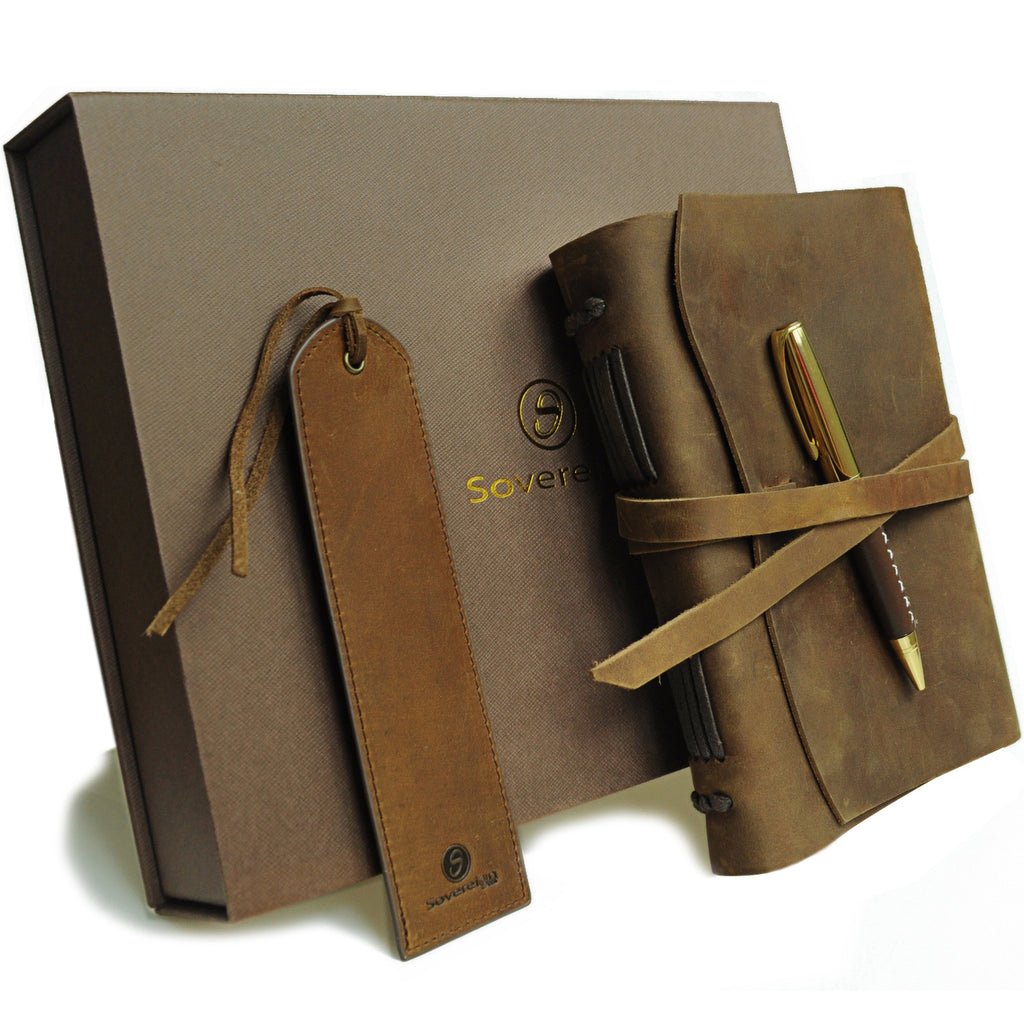
Journals themselves make fantastic graduation gift ideas. They represent hope and ambition, perfect for someone starting a new chapter in their life. Pair your journal gift with a nice pen to elevate the experience and show you put thought into this meaningful gesture.
Choosing the Right Journal as a Gift
When selecting a journal as a gift, consider the recipient's personality and preferences:
- If they are artistic, consider a sketch journal.
- If they love minimalism, choose a simple, unadorned notebook.
- For someone who is always on the go, a pocket-sized journal would be ideal.
Staying Committed to Your Journalling Habit
Maintaining your journalling habit can be challenging but also rewarding. Here are effective strategies to help keep you on track:
1. Set Reminders
Use your phone or calendar to set daily reminders. Visual cues, like a journal placed on your nightstand, can also prompt you to write.
2. Find a Journalling Buddy
Link up with a friend or family member to encourage each other's journalling. You can share prompts, discuss your entries, and maintain motivation together.
3. Celebrate Milestones
Acknowledge your progress by celebrating milestones, such as completing your first month of journalling or filling a journal. This will help you appreciate your commitment to the practice.
Reaping the Benefits
As you continue to journal, you'll begin to notice tangible benefits in your life. From improved emotional clarity to enhanced creativity and self-awareness, the advantages of maintaining a journalling habit are profound.
Better Decision Making
Writing about your thoughts and feelings helps clarify your decision-making processes. This reflection can lead to more intentional choices, personally and professionally—something especially important during transitional periods such as post-graduation.
Improved Mental Health
Experts often praise journalling as a powerful tool in managing stress and anxiety. By taking the time to express your thoughts, you're actively participating in your mental health journey and investing in your well-being.
Wrap It All Up
Starting a journalling habit doesn’t have to be overwhelming. With the right journal, a set writing time, and a sprinkle of creativity, anyone can incorporate it into their daily life. Whether as a solo journey or a shared experience with a gift of journal for a graduate, journalling holds power in reflection, clarity, and self-discovery. So grab your journal today, don’t hesitate to explore your thoughts, and watch how it transforms your life in ways you never imagined!
More stories

Elegant Leather Journals to Inspire Your Creative Journey
In a world dominated by digital communication, the charm of handwritten notes and thoughts remains timeless. Whether you’re an aspiring writer, a seasoned traveller, or simply someone looking to document daily moments, elegant leather journals can enhance your journaling experience. These beautifully crafted journals not only serve as a canvas for your thoughts but also as unique keepsakes that embody your personal style. Today, we will explore four exquisite embossed leather journals, each with its own distinctive design and purpose to inspire you on your creative journey.
