




Overview
Journalling is an effective tool for managing anxiety by enabling reflection, emotional release, mindfulness, and goal setting. To get started, choose a comfortable journalling medium, create a calming environment, and establish a routine. Techniques like free writing, gratitude journalling, and using prompts can enhance the experience. Overcome barriers such as lack of time or writer’s block by starting small and focusing on personal expression. Integrating journalling with mindfulness and physical activity can further alleviate anxiety. Embrace journalling as a personal sanctuary for self-care and mental wellbeing.
Table of Contents
- Why Journalling is Effective for Anxiety Management
- Getting Started with Journalling for Anxiety Relief
- Choose Your Tool
- Find Your Space
- Set a Routine
- Journalling Techniques for Anxiety Management
- Free Writing
- Gratitude Journalling
- Prompts and Questions
- Overcoming Barriers to Journalling
- Lack of Time
- Writer’s Block
- Fear of Judgment
- Integrating Journalling with Other Anxiety-Management Tools
- Mindfulness and Meditation
- Physical Activity
- Therapeutic Approaches
- Journalling: Your Personal Sanctuary
Key Takeaways
- Journalling provides emotional release by allowing you to express pent-up feelings and negativity safely.
- Establishing a routine for journalling can help make it a consistent habit, aiding in anxiety management.
- Utilising prompts can guide your writing and help you focus on specific anxiety triggers.
- Integrating mindfulness practices with journalling enhances clarity and understanding of your thoughts.
- Choosing the right journalling tool, such as an A5 leather notebook, can create a more inviting writing experience.
- Free writing techniques can help uncover underlying anxieties by allowing thoughts to flow without restriction.
- Combining journalling with physical activity can clear your mind and energise your thoughts before writing.
In today's fast-paced world, anxiety can feel overwhelming. However, an effective tool for managing anxiety can lie within the pages of a journal. Journalling not only allows us to express our thoughts and feelings, but it can also be a powerful method for coping with anxiety. In this article, we'll explore how journalling can help you manage anxiety, tips for getting started, and various journal ideas, including how an A5 leather notebook can enhance your journalling experience.
Why Journalling is Effective for Anxiety Management
Journalling offers a myriad of benefits when it comes to managing anxiety. Here are just a few reasons why incorporating this practice into your routine can lead to positive change:
- Reflection: Writing down thoughts and feelings can provide you with the perspective needed to understand your anxiety better.
- Emotional Release: Journalling can serve as an outlet for pent-up emotions, allowing you to release negativity safely and effectively.
- Mindfulness: The act of writing can be meditative, helping you stay present and focused on the now.
- Pattern Recognition: Over time, you'll notice patterns in your anxiety triggers, enabling you to address them more proactively.
- Goal Setting: Journalling can help you articulate your goals and track your progress, giving you a sense of control and accomplishment.
Getting Started with Journalling for Anxiety Relief
Starting a journalling practice can feel daunting, especially if you're not used to writing. Here are some straightforward steps to ease you into it:
Choose Your Tool
Selecting the right journalling medium is essential. An A5 leather notebook could be the perfect choice, offering a durable and elegant option that invites you to write. The tactile feel of leather can also enhance your journalling experience, making it a sacred space for your thoughts.
Find Your Space
Create a calming environment to write in. This setting could be a quiet corner of your home, a local café, or a park—wherever you feel most comfortable to let your thoughts flow. Lighting a candle or playing soft music can help set a soothing atmosphere.
Set a Routine
Integrate journalling into your daily routine. Whether it's in the morning, during lunch, or right before bed, establishing a consistent time allows you to make journalling a habit, helping you mentally prepare to address your anxiety.
Journalling Techniques for Anxiety Management
Once you've laid the groundwork, it's time to delve into specific journalling techniques. Below are some effective methods that can aid in reducing anxiety:
Free Writing
Free writing is a technique where you write continuously for a set amount of time without filtering your thoughts. This stream-of-consciousness approach can reveal underlying anxieties. Set a timer for ten minutes and write whatever comes to mind, releasing any pent-up stress.
Gratitude Journalling
One popular approach is gratitude journalling, which focuses on the positive aspects of your life. Writing down what you’re grateful for can shift your focus away from anxiety. Here are some gratitude journal ideas to get you started:
- List three things you're grateful for each day.
- Write about someone who has had a positive impact on your life.
- Reflect on a personal achievement, no matter how small.
- Describe a beautiful moment from your day.
Prompts and Questions
Utilising prompts can guide your writing and keep your thoughts focused. Here are some prompts specifically aimed at anxiety management:
- What am I feeling right now, and why?
- What are my anxiety triggers, and how can I manage them?
- Describe a time I overcame a challenging situation.
- What are three things I can do today to foster calmness?
Overcoming Barriers to Journalling
Even with the best of intentions, you might find yourself facing challenges while journalling. Here are some common barriers and how to overcome them:
Lack of Time
It’s easy to feel overwhelmed and think you don't have time to journal. However, even a few minutes can be beneficial. Start small and increase your journalling duration as you become more comfortable.
Writer’s Block
If you feel stuck, remember that there’s no right or wrong way to journal. Try switching up your technique or using guided prompts, and allow yourself to write freely, without concern for grammar or structure.
Fear of Judgment
Many avoid journalling due to fear of others reading their thoughts. Choose a safe and private notebook, like an A5 leather notebook, where your entries remain confidential, fostering honesty and openness in your writing.
Integrating Journalling with Other Anxiety-Management Tools
To boost the effects of journalling, consider integrating it with other self-care practices:
Mindfulness and Meditation
Combining mindfulness and journaling can deepen your understanding of your thoughts. Allocate some time for mindfulness exercises, such as deep breathing or visualisation, before journalling to maximise your clarity and focus.
Physical Activity
Exercise releases endorphins, which can help alleviate anxiety. Go for a walk or engage in yoga before journalling to clear your mind and energise your thoughts. You may find that writing after physical activity allows for deeper insights.
Therapeutic Approaches
If you are working with a mental health professional, consider sharing your journalling insights during therapy sessions. This can help streamline your discussion and provide clarity on your feelings, fostering meaningful conversations.
Journalling: Your Personal Sanctuary
As you embark on your journey with journalling, remember that this practice is adaptable to your individual needs. Whether you use an A5 leather notebook or a simple lined pad, make it your own by personalising it with drawings, stickers, or quotes that inspire you.
To reap the full benefits from journalling, embrace the practice as a form of self-care. Set your intentions, stay committed, and allow yourself to feel. With each written word, you are taking a step towards managing your anxiety and enhancing your overall wellbeing.
So grab your pen and start this life-changing journey today. You may just find that the key to a calmer mind lies within the pages of your journal.
Frequently Asked Questions
1. How can journalling help manage anxiety?
2. What are some techniques for journalling to reduce anxiety?
3. What should I consider when starting a journalling practice?
4. How can I overcome writer's block while journalling?
5. What additional self-care practices can I combine with journalling?
Glossary
| Term | Meaning |
|---|---|
| Journalling | The practice of writing down thoughts and feelings to manage emotions. |
| Anxiety | A feeling of worry or fear that can be overwhelming. |
| Reflection | Thinking deeply about one's thoughts and emotions for better understanding. |
| Mindfulness | Being present and fully engaged in the moment. |
| Free Writing | A technique of writing continuously without worrying about grammar. |
| Gratitude Journalling | Focusing on positive aspects of life by writing what you are thankful for. |
| Prompts | Questions or statements that guide your writing process. |
| Writer’s Block | A condition where a writer finds it difficult to produce new work. |
| Therapeutic Approaches | Methods used in therapy to improve mental health and wellbeing. |
| A5 Leather Notebook | A durable and stylish notebook ideal for journalling. |
Linked Product

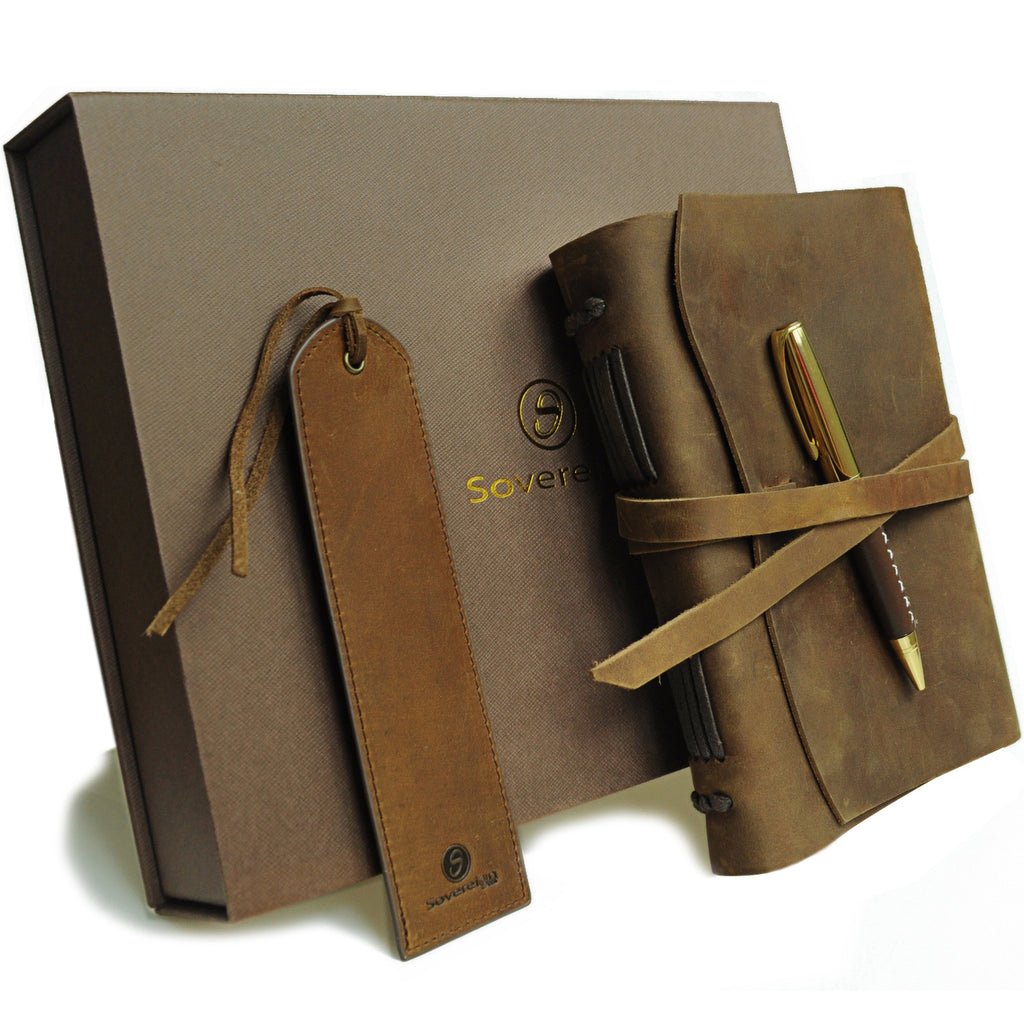
Refillable Leather Journal Gift Set, A5 Leather Notebook + Pen
The Refillable Leather Journal Gift Set is a handcrafted A5 notebook made from genuine buffalo leather, designed for durability and style. Its unique refillable feature allows you to easily replace the paper, making it a practical companion for jotting down thoughts, sketches, or daily plans. Ideal as a thoughtful gift for various occasions, this journal set also comes with a luxury pen and eco-friendly packaging.
View ProductMentioned in this article
More stories
